
Early 1990s
Origins: the Sawtooth Pack
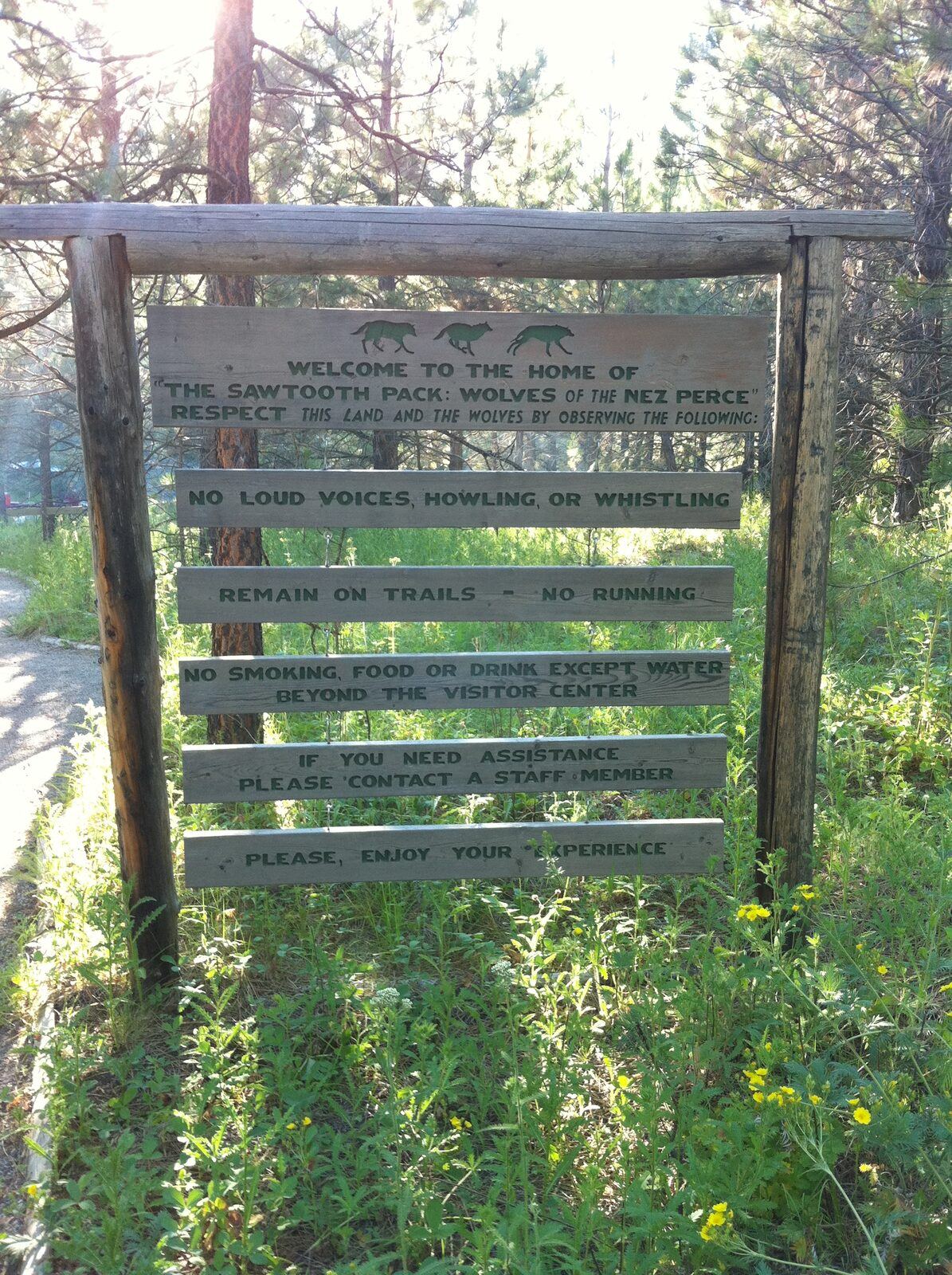
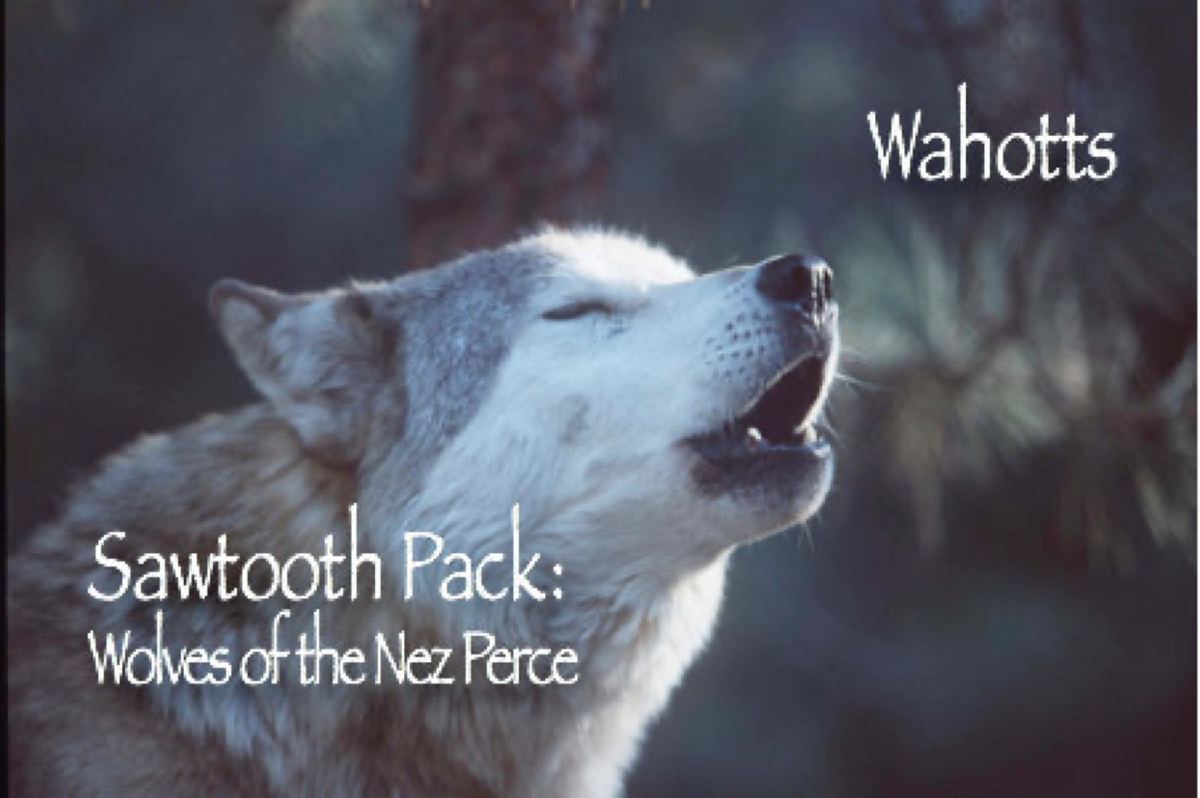
Jim and Jamie Dutcher brought gray wolves together in central Idaho to film wolf family life over years rather than weeks. The wolves became known as the Sawtooth Pack: Wolves of the Nez Perce.
The story · 1991 to today
Twelve chapters, each one a turn the Center actually took.
The story
Thirty years, told the way the people who were there tell it.
Jim and Jamie Dutcher brought gray wolves together in central Idaho to film wolf family life over years rather than weeks. The wolves became known as the Sawtooth Pack: Wolves of the Nez Perce.
At the center of the pack were eight adults - Kamots, Lakota, Matsi, Weyekin, Motomo, Amani, Chemukh and Wahots. Kamots, about 130 pounds, kept order at feeding and settled disputes. Three pups were born into the pack: Ayet, Motoki and Piyip. Their lives became the films Living with Wolves and Wolves at Our Door, and Kamots’ face rode the side of a New York City bus.
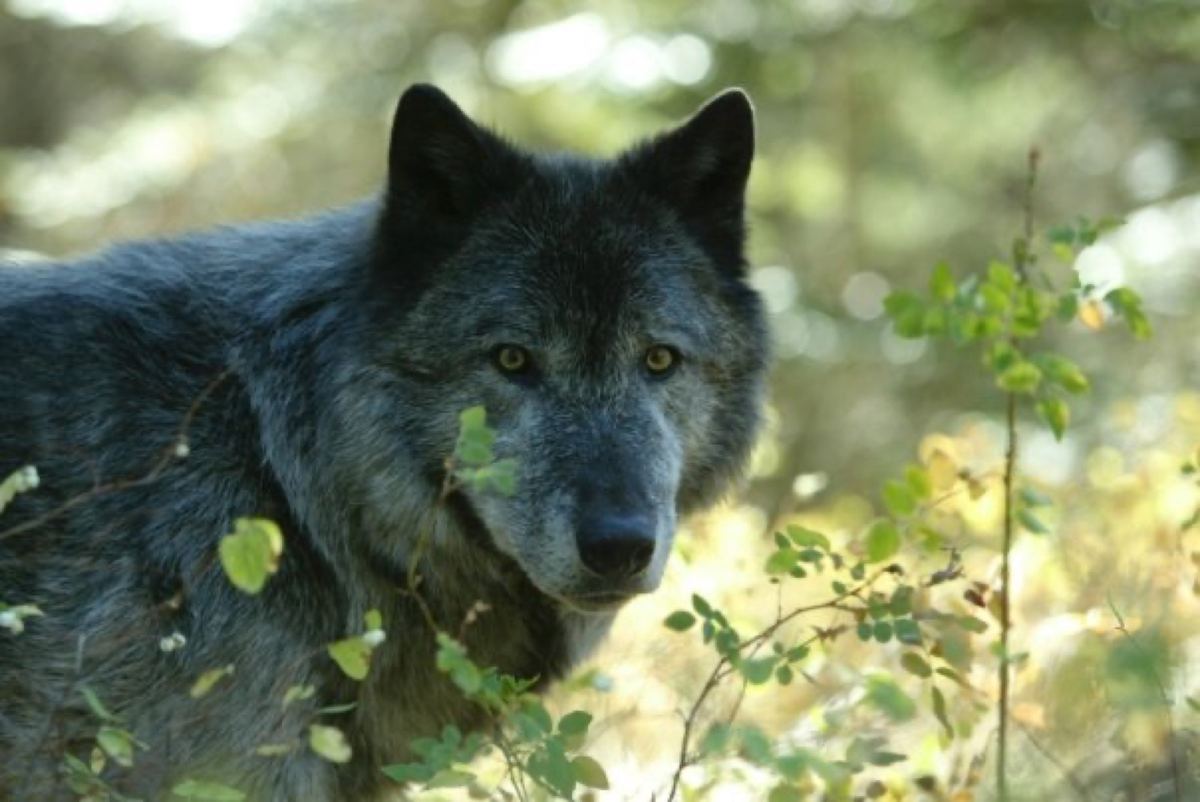
When the Dutchers stepped back, the new Wolf Education & Research Center took over the wolves’ lifelong care. They lived on 300 acres in north central Idaho, with room to separate and regroup away from people. The pack was tied to the Nez Perce Tribe, through one of the most contested periods in wolf recovery in the Northern Rockies.
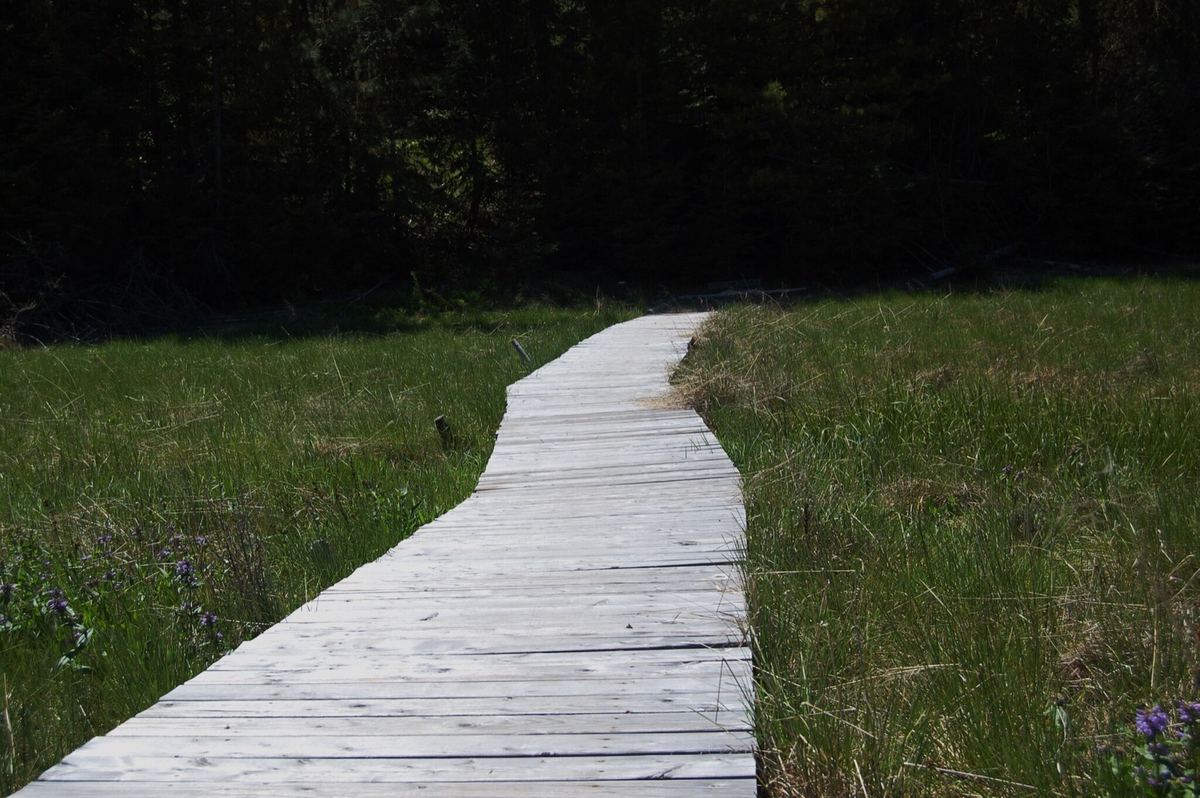
Sanctuary Director Jeremy Heft ran daily life. He arrived as an intern and stayed longer than anyone, until 2023. His day began and ended with a full perimeter inspection. Three enclosures - about 20, 5 and 1 acres - sat inside double eight-foot fences with a buried barrier against digging. Visitors watched from the A-Frame deck or the meadow boardwalk. Sometimes Motomo or Piyip came to the fence to sniff, or lick, a flattened hand.
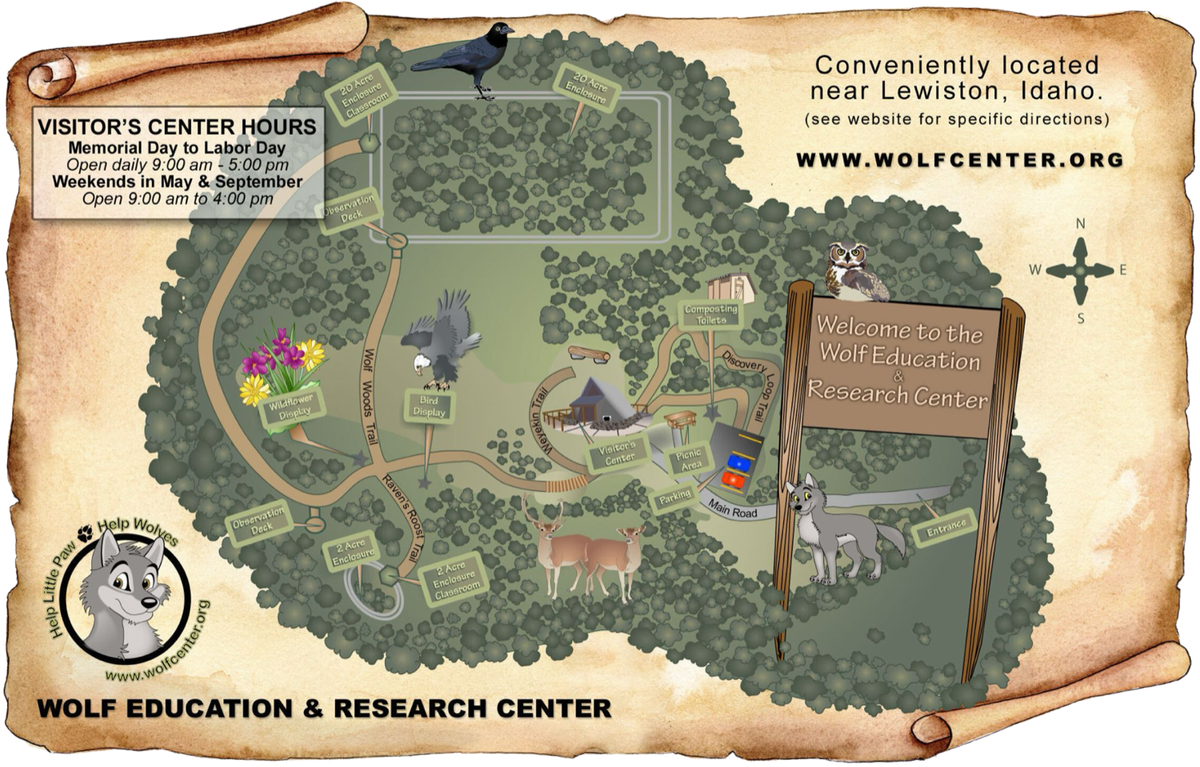
The wolves were visible only when they chose to be. When future President Chris Anderson first visited, none of them appeared. His twelve-year-old son said: “That’s how it should be. That’s when they are safest in the wild.” Over the years the site was both sanctuary and classroom, and welcomed more than 100,000 visitors.
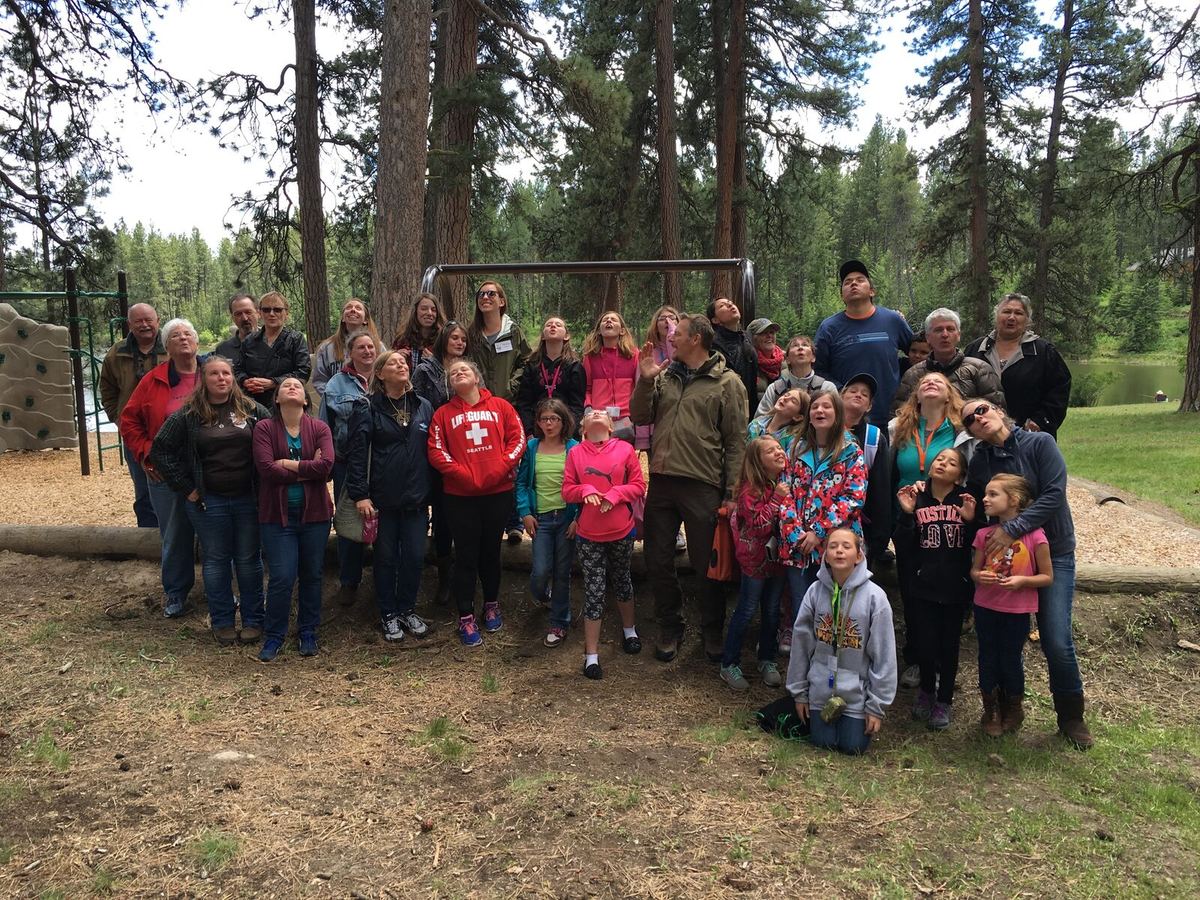
Chris Anderson remembers clearing old bones in the big enclosure with volunteers. Alone for a moment, he heard a rustle. Himtú·u·qin stepped out, looked straight at him, calm, then trotted away. Acknowledgment, and then distance. That was more than enough.
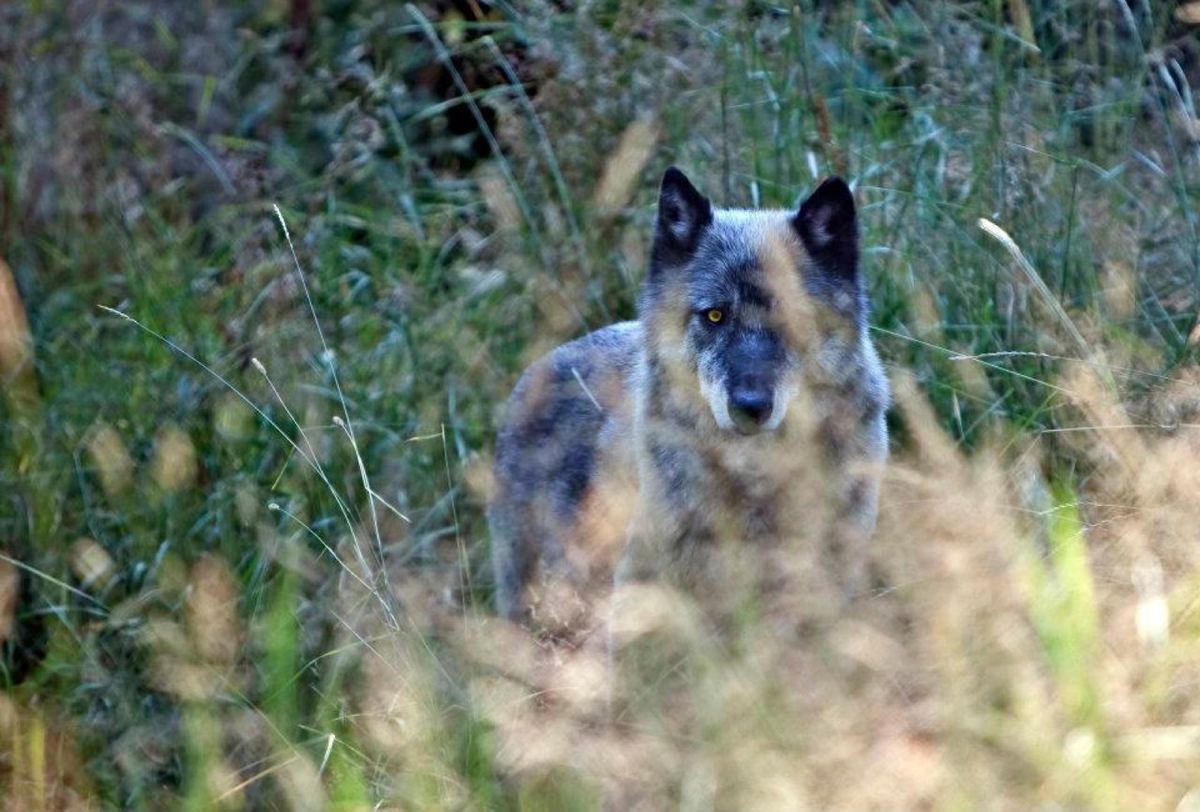
At midnight, board members, staff and supporters gathered at Wolf Camp. Without warning the whole Sawtooth Pack began to howl, a chorus rolling across the Idaho mountains. It wasn’t performance and it wasn’t coincidence. It was the pack.
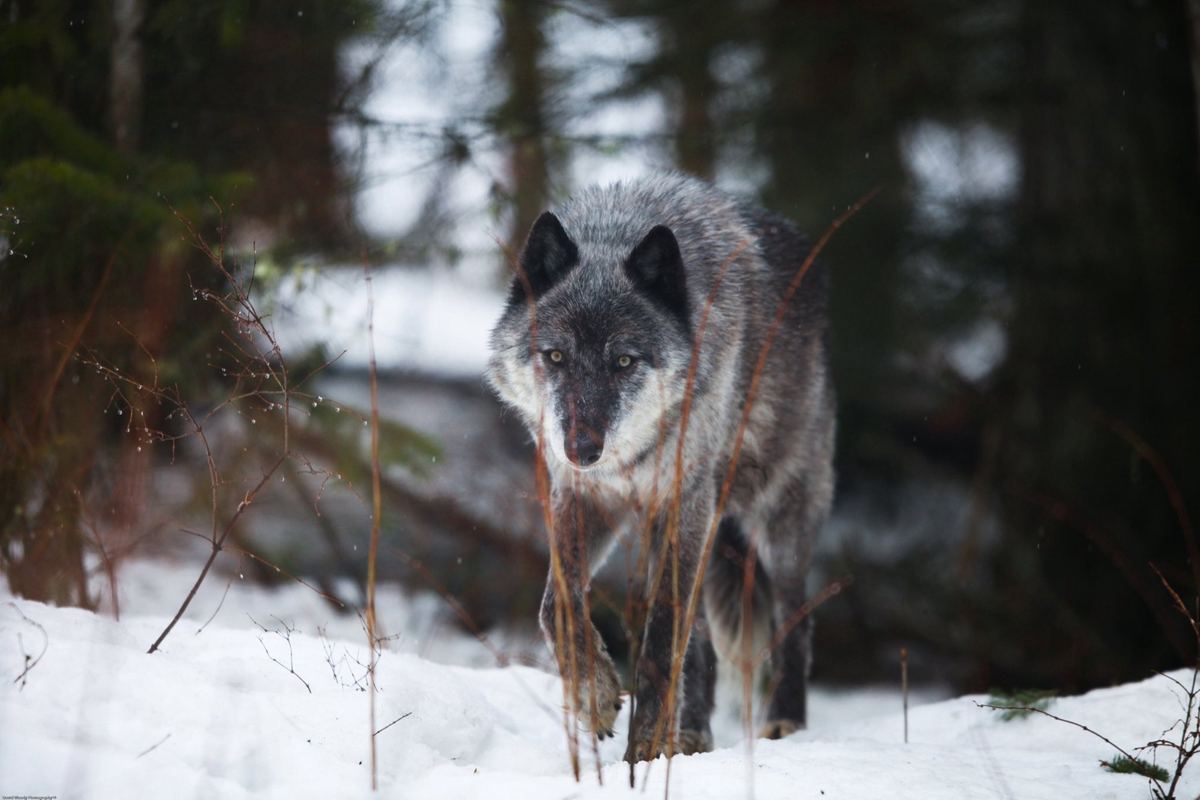
After a private wolf owner died in Murphy, Idaho, about seventeen wolves were left without care. Staff took the five who needed the most help. Out of trauma, many of them underweight, they built their own structure over time - movement patterns, den sites, feeding behaviors much like the Sawtooth Pack’s. Staff watched each wolf for sixty days. Then the Nez Perce Tribe’s naming committee chose their names.
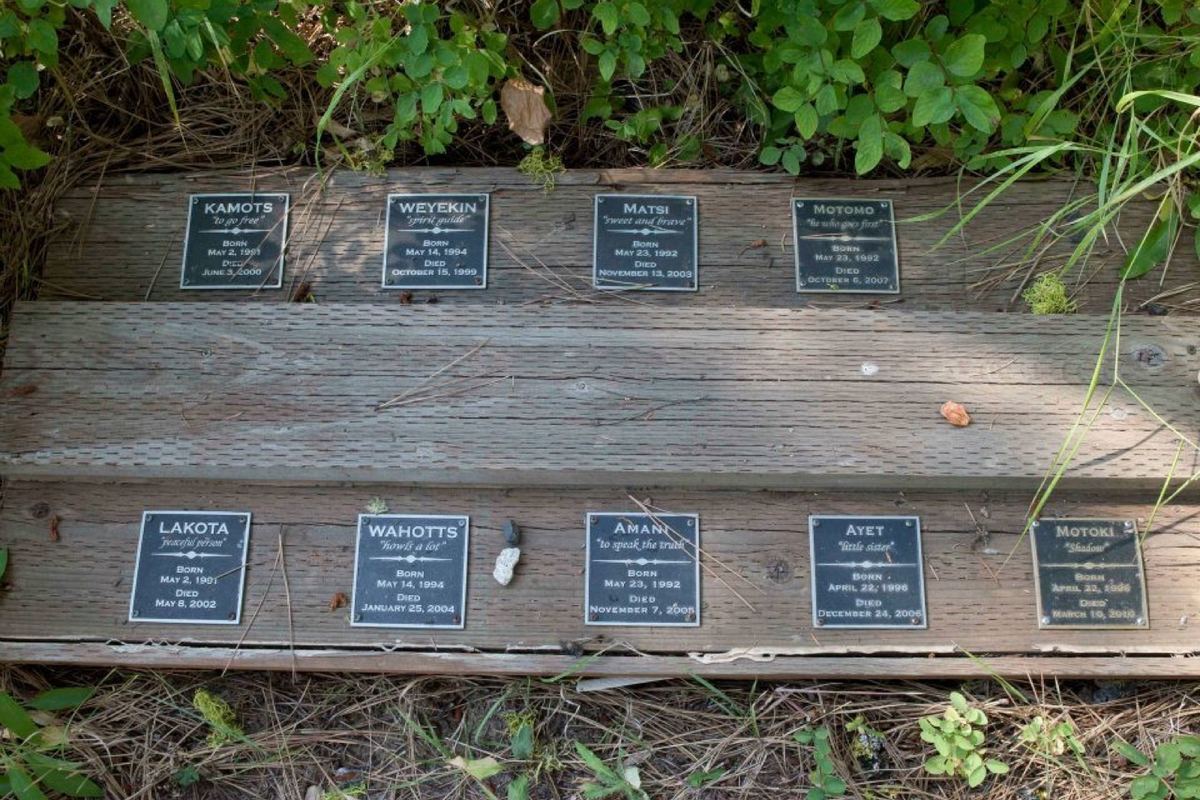
One by one the Sawtooth wolves died, and Jeremy Heft felt each loss like losing family. Visitors remembered them on the Memorial Trail, where every Sawtooth wolf has a plaque with its name, its meaning, and its birth and death. The last two were the pups born in 1996, Motoki and Piyip; their sister Ayet had died on Christmas Eve 2006. Piyip died at seventeen, and the Sawtooth Pack: Wolves of the Nez Perce ended with him.
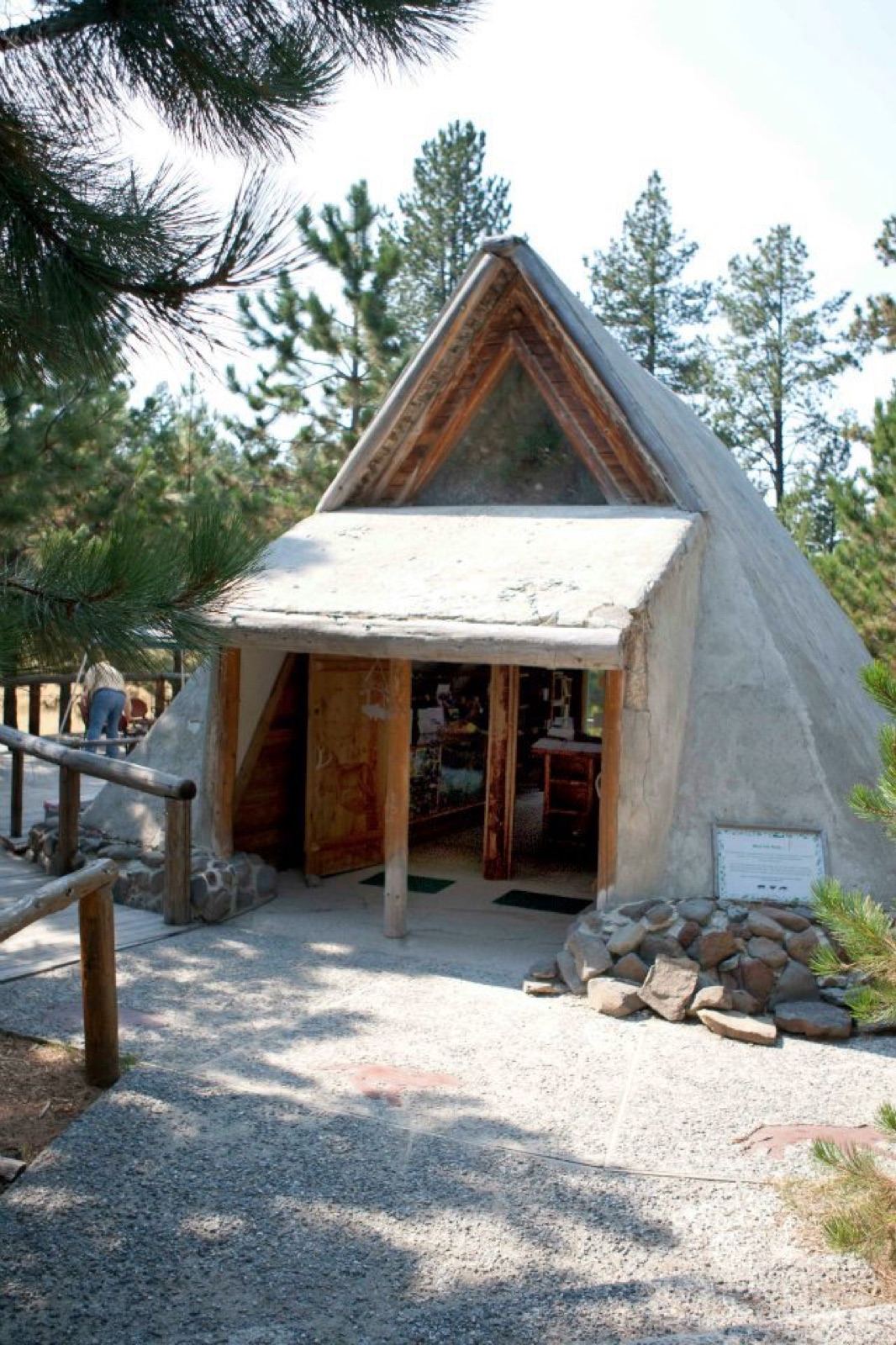
The Center ran on a fifteen-year lease from the Nez Perce Tribe. When it ended in 2011 the Tribe gave the Center time for a hard and costly transition. From 2015 to 2017 almost everything came down - buildings, boardwalks, utilities, miles of fencing, down to the buried barriers. Only the A-Frame Visitor’s Center, built like a traditional longhouse, was left standing. By 2017 the land was fully returned.
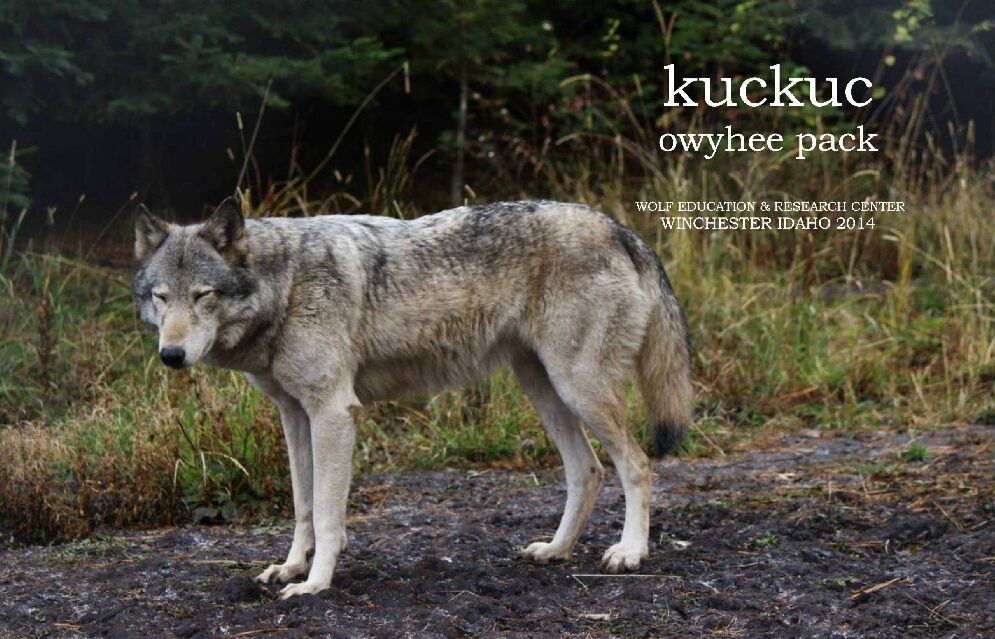
In 2017 the last of the Owyhee Pack moved to a privately managed home. That wolf was Kú·cuc, who lived under continued care until 2020. Jeremy Heft described her as a symbol of strength and persistence; she stayed engaged until her final days, then declined quickly, and he stayed at her side. Her passing marked the end of the Owyhee Pack.
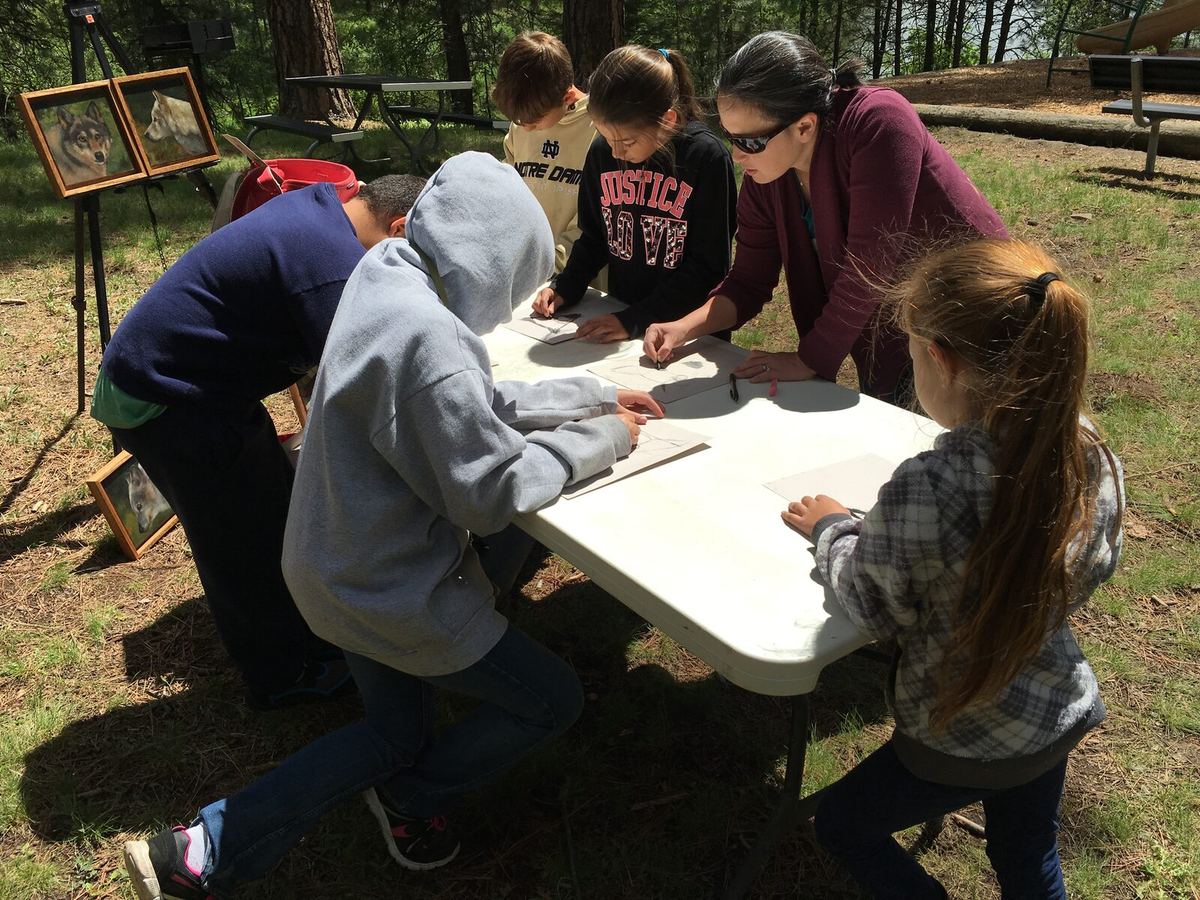
With no wolves in care the work kept evolving. The Center’s film The Great Predator Debate is shown in US high schools and does not tell students what to think. At the end of 2023 the Idaho operations closed, and volunteers carry on from University Place, Washington. In 2026 the Center launched the Passport to Wildlife Online Academy, bringing lessons on wolves and other apex predators to science classrooms.
Moving on its own. Hover to hold it, or push it yourself.