
Early 1990s
Origins: the Sawtooth Pack
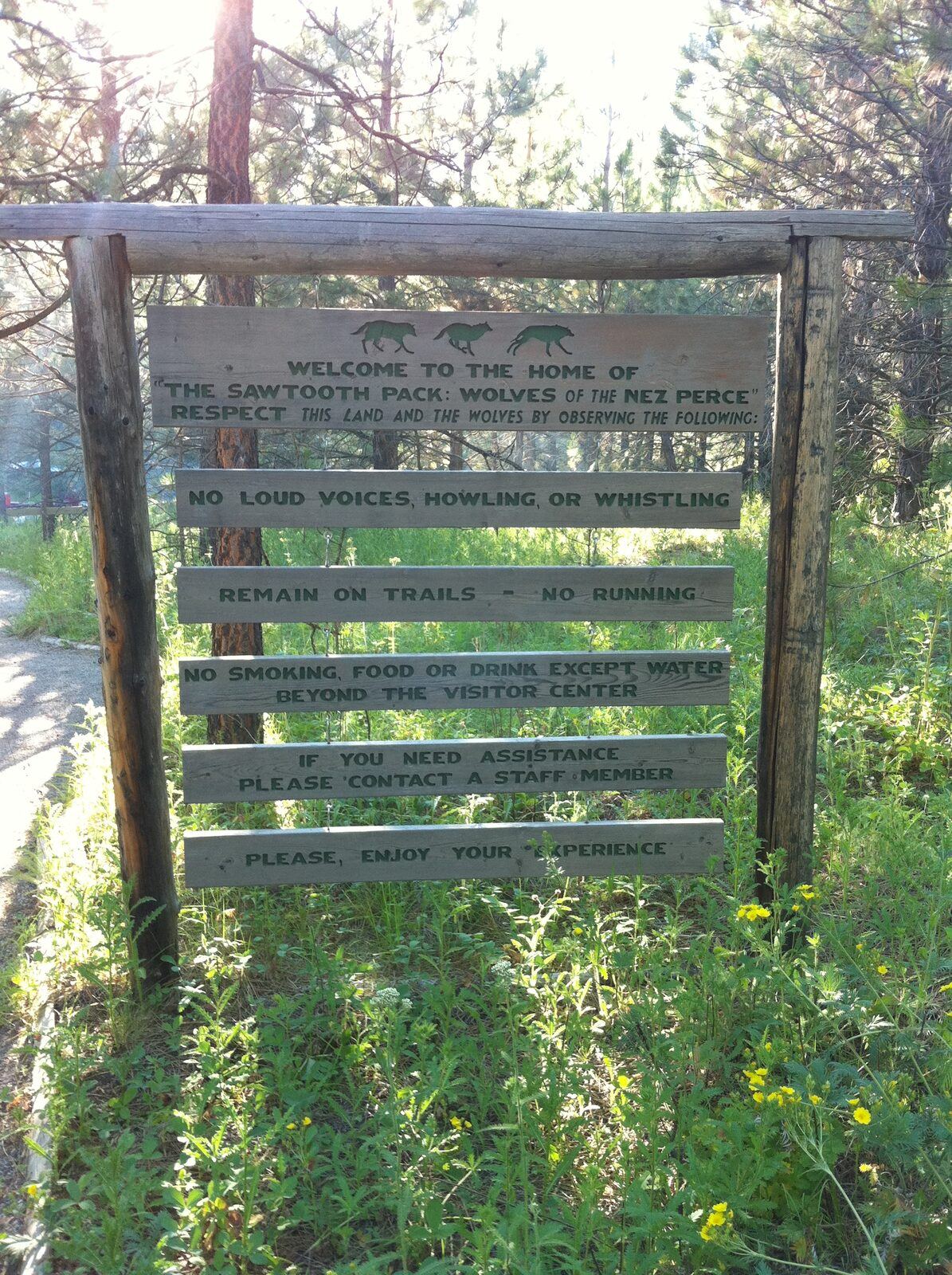
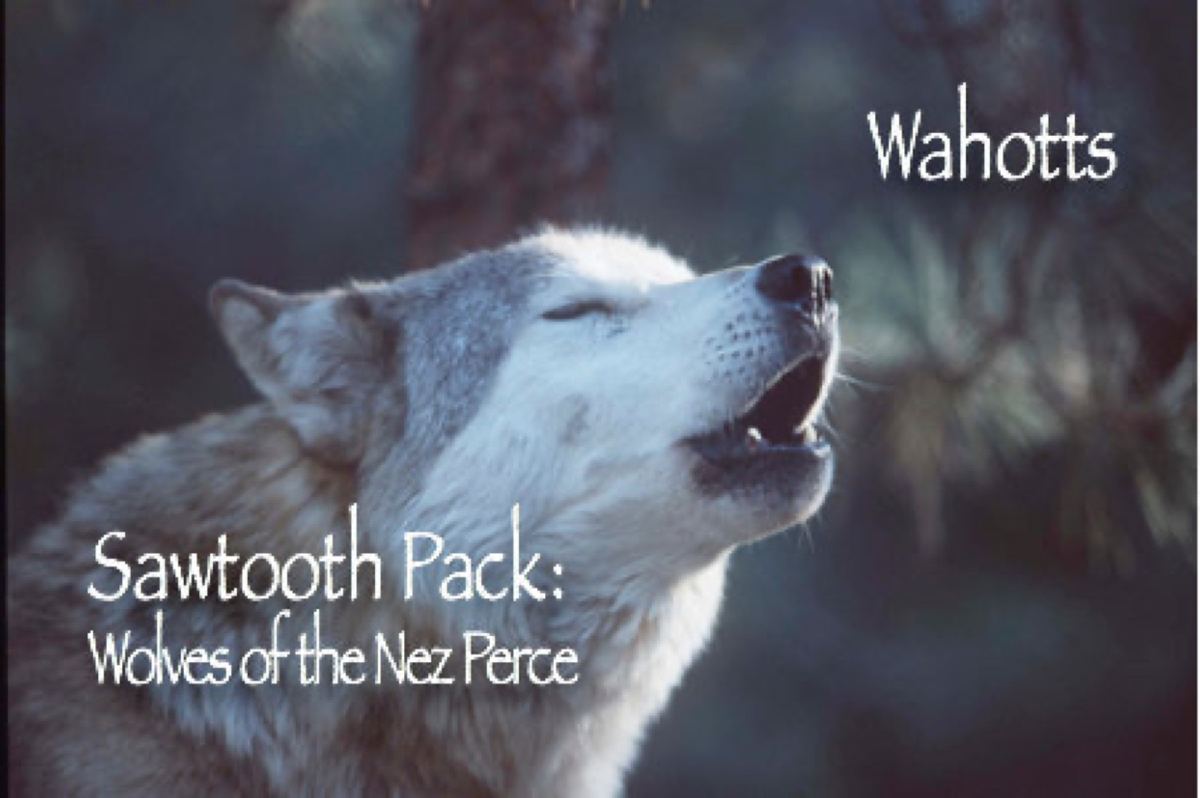
Jim and Jamie Dutcher brought gray wolves together in central Idaho to film wolf family life over years rather than weeks. The wolves became known as the Sawtooth Pack: Wolves of the Nez Perce.
Our story · Wolves of the Nez Perce
Thirty years of wolves, education and conservation in north central Idaho.
The story
Thirty years, told the way the people who were there tell it.
Jim and Jamie Dutcher brought gray wolves together in central Idaho to film wolf family life over years rather than weeks. The wolves became known as the Sawtooth Pack: Wolves of the Nez Perce.
At the center of the pack were eight adults - Kamots, Lakota, Matsi, Weyekin, Motomo, Amani, Chemukh and Wahots. Kamots, about 130 pounds, kept order at feeding and settled disputes. Three pups were born into the pack: Ayet, Motoki and Piyip. Their lives became the films Living with Wolves and Wolves at Our Door, and Kamots’ face rode the side of a New York City bus.
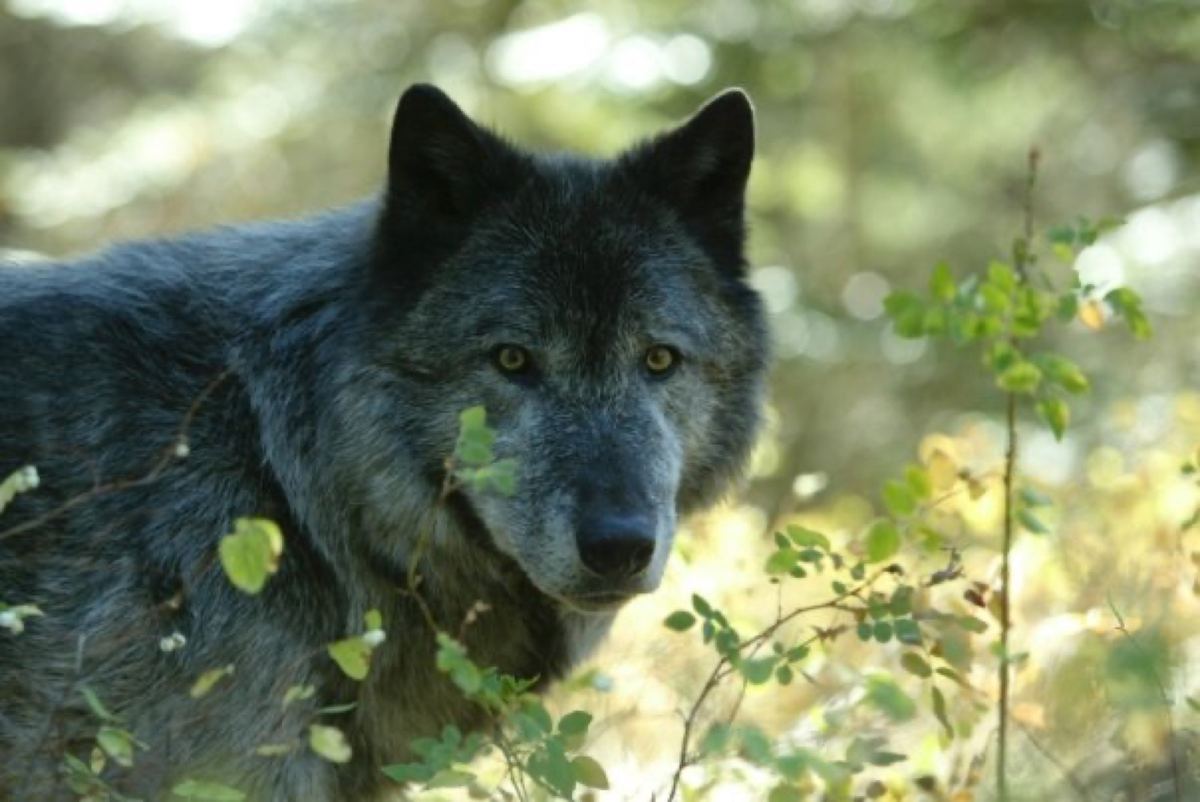
When the Dutchers stepped back, the new Wolf Education & Research Center took over the wolves’ lifelong care. They lived on 300 acres in north central Idaho, with room to separate and regroup away from people. The pack was tied to the Nez Perce Tribe, through one of the most contested periods in wolf recovery in the Northern Rockies.
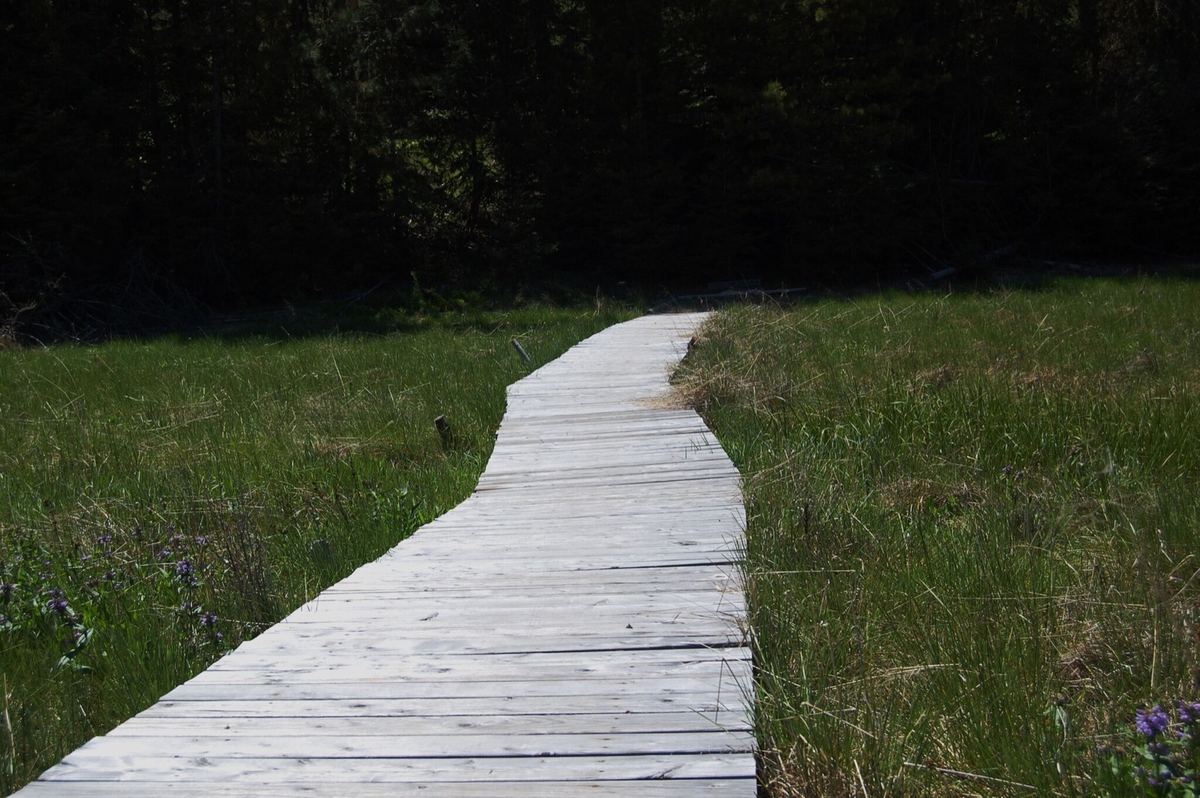
Sanctuary Director Jeremy Heft ran daily life. He arrived as an intern and stayed longer than anyone, until 2023. His day began and ended with a full perimeter inspection. Three enclosures - about 20, 5 and 1 acres - sat inside double eight-foot fences with a buried barrier against digging. Visitors watched from the A-Frame deck or the meadow boardwalk. Sometimes Motomo or Piyip came to the fence to sniff, or lick, a flattened hand.
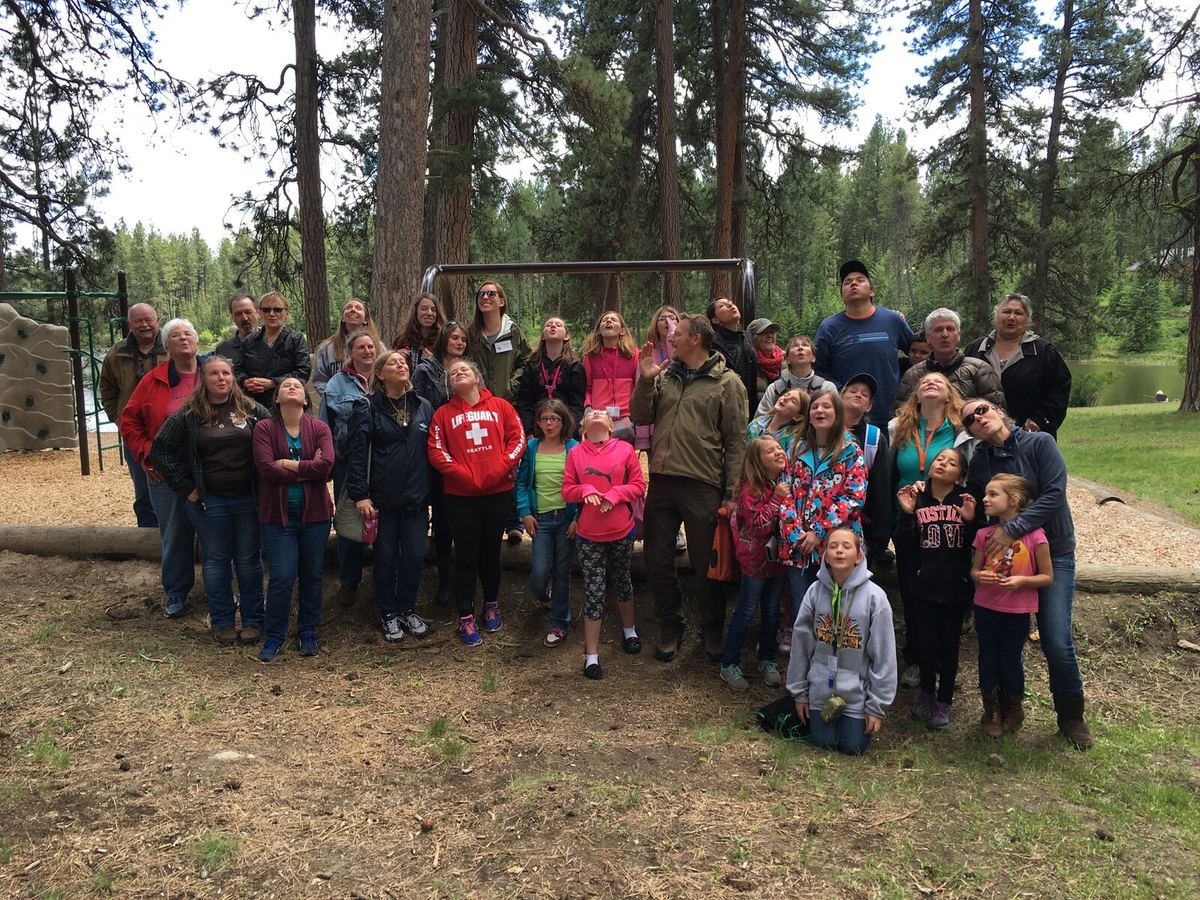
The wolves were visible only when they chose to be. When future President Chris Anderson first visited, none of them appeared. His twelve-year-old son said: “That’s how it should be. That’s when they are safest in the wild.” Over the years the site was both sanctuary and classroom, and welcomed more than 100,000 visitors.
Chris Anderson remembers clearing old bones in the big enclosure with volunteers. Alone for a moment, he heard a rustle. Himtú·u·qin stepped out, looked straight at him, calm, then trotted away. Acknowledgment, and then distance. That was more than enough.
At midnight, board members, staff and supporters gathered at Wolf Camp. Without warning the whole Sawtooth Pack began to howl, a chorus rolling across the Idaho mountains. It wasn’t performance and it wasn’t coincidence. It was the pack.
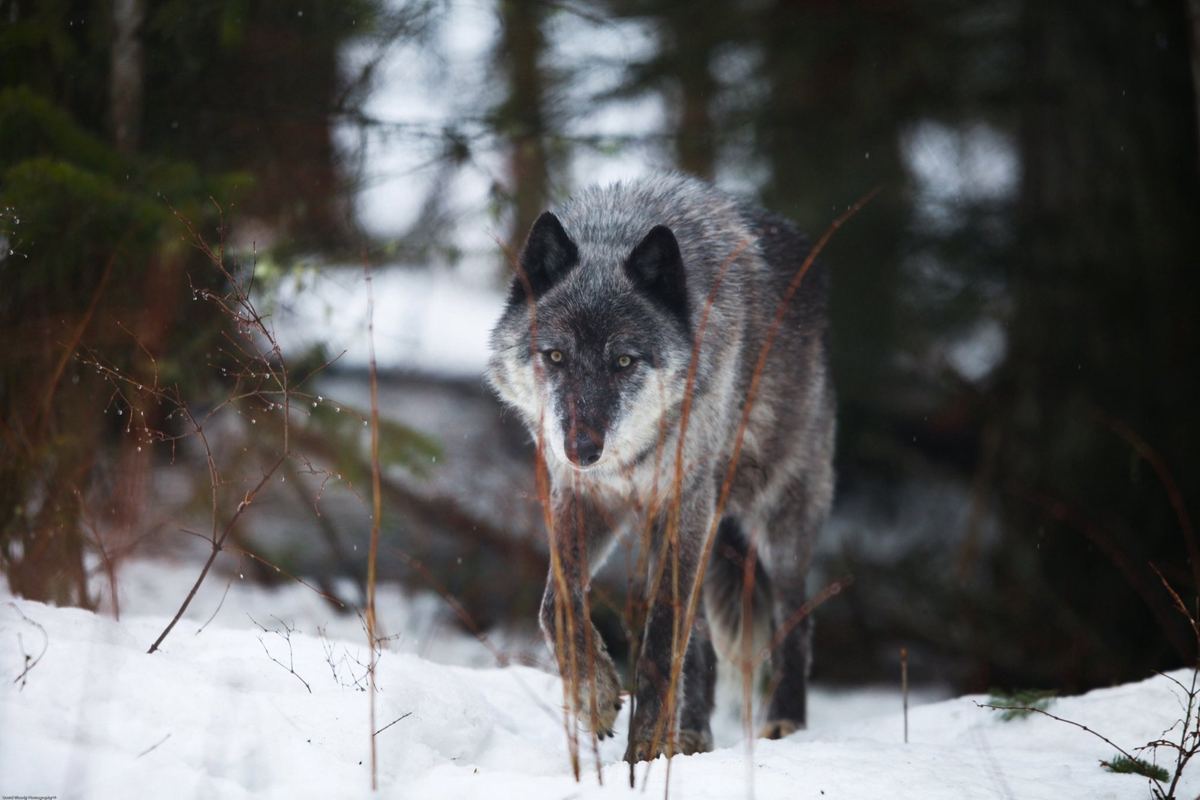
After a private wolf owner died in Murphy, Idaho, about seventeen wolves were left without care. Staff took the five who needed the most help. Out of trauma, many of them underweight, they built their own structure over time - movement patterns, den sites, feeding behaviors much like the Sawtooth Pack’s. Staff watched each wolf for sixty days. Then the Nez Perce Tribe’s naming committee chose their names.
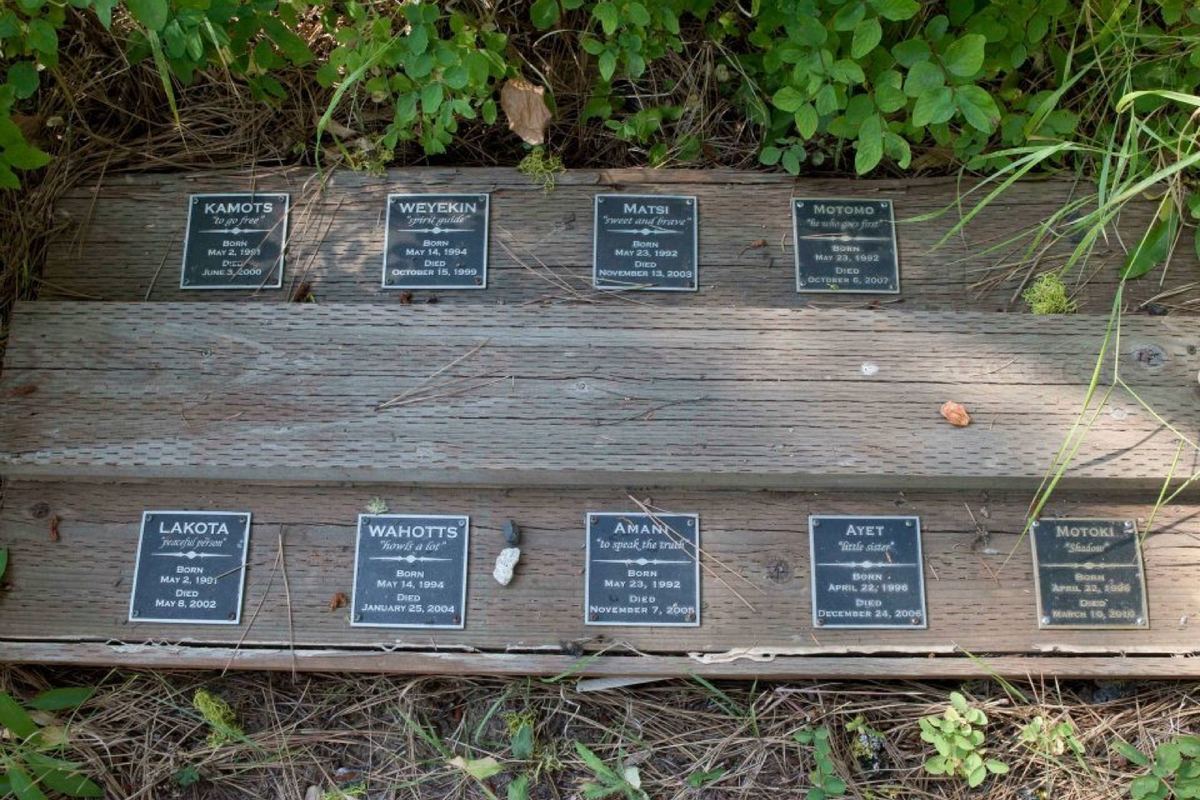
One by one the Sawtooth wolves died, and Jeremy Heft felt each loss like losing family. Visitors remembered them on the Memorial Trail, where every Sawtooth wolf has a plaque with its name, its meaning, and its birth and death. The last two were the pups born in 1996, Motoki and Piyip; their sister Ayet had died on Christmas Eve 2006. Piyip died at seventeen, and the Sawtooth Pack: Wolves of the Nez Perce ended with him.
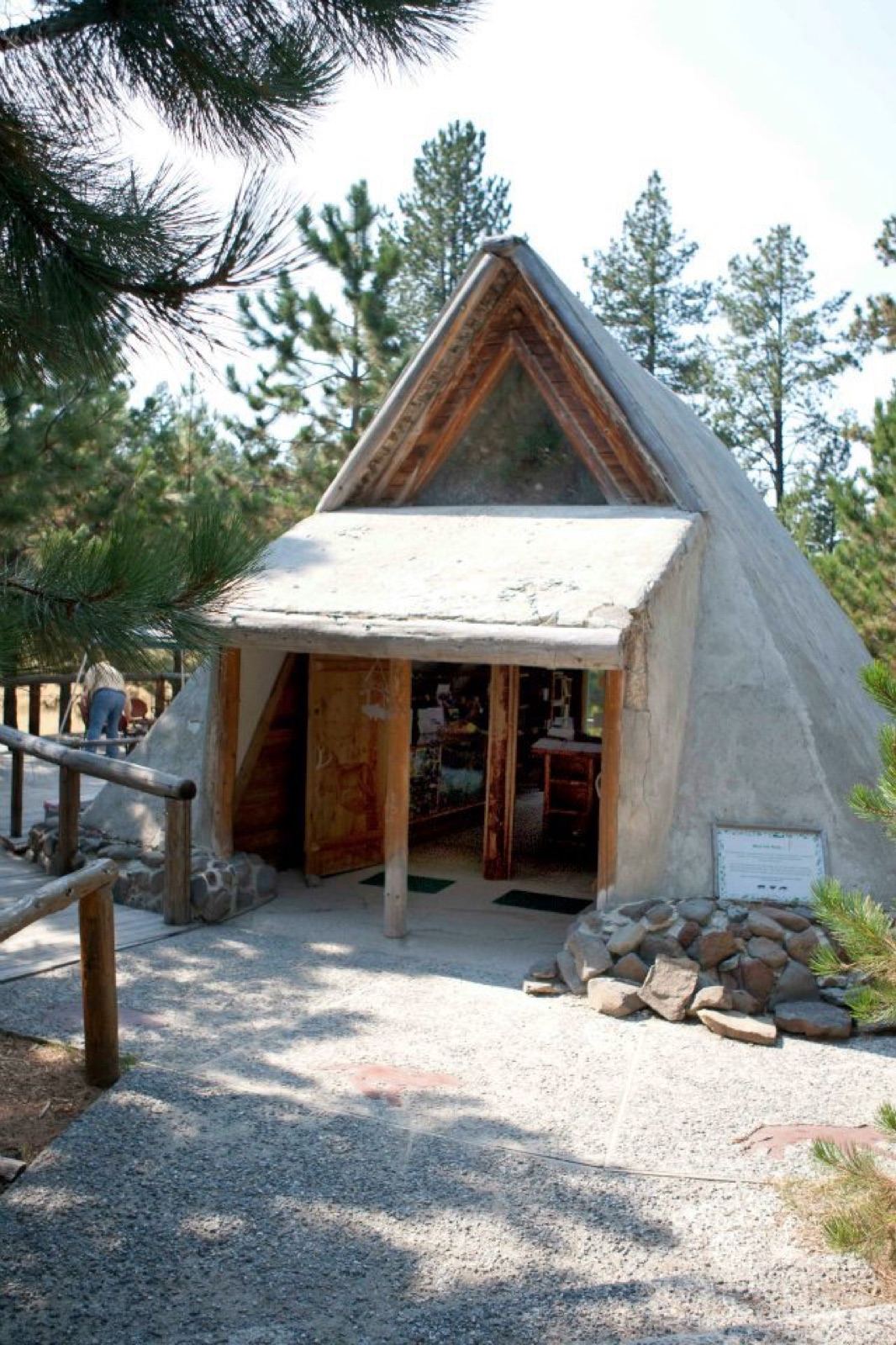
The Center ran on a fifteen-year lease from the Nez Perce Tribe. When it ended in 2011 the Tribe gave the Center time for a hard and costly transition. From 2015 to 2017 almost everything came down - buildings, boardwalks, utilities, miles of fencing, down to the buried barriers. Only the A-Frame Visitor’s Center, built like a traditional longhouse, was left standing. By 2017 the land was fully returned.
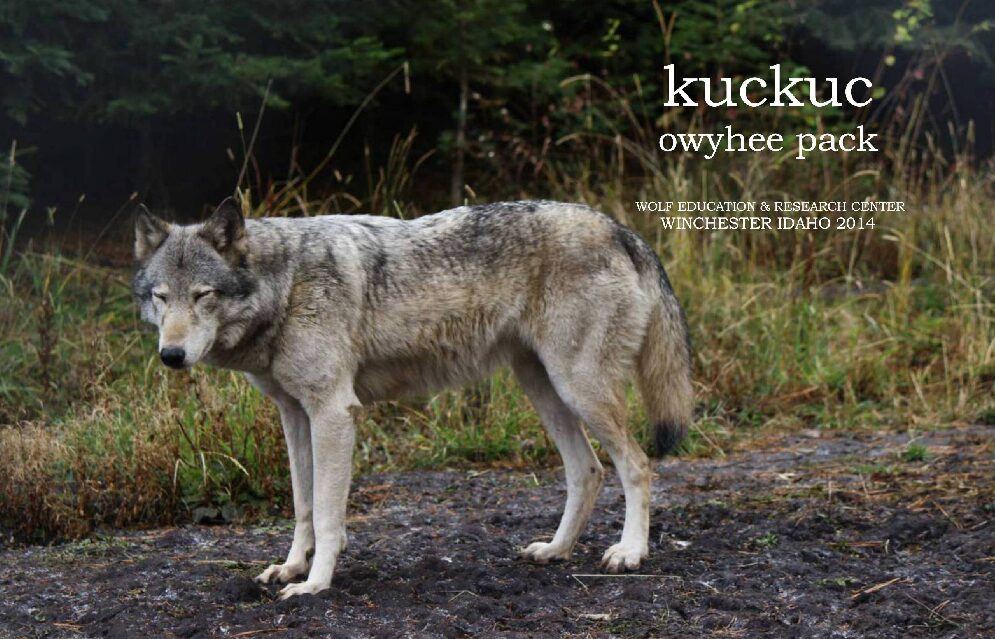
In 2017 the last of the Owyhee Pack moved to a privately managed home. That wolf was Kú·cuc, who lived under continued care until 2020. Jeremy Heft described her as a symbol of strength and persistence; she stayed engaged until her final days, then declined quickly, and he stayed at her side. Her passing marked the end of the Owyhee Pack.
With no wolves in care the work kept evolving. The Center’s film The Great Predator Debate is shown in US high schools and does not tell students what to think. At the end of 2023 the Idaho operations closed, and volunteers carry on from University Place, Washington. In 2026 the Center launched the Passport to Wildlife Online Academy, bringing lessons on wolves and other apex predators to science classrooms.

Moving on its own. Hover to hold it, or push it yourself.
The sixteen
Closed until you ask. Each one opens on what the caretakers wrote at the time, what the wolf taught them, and the dated moments of a life.
Wolves of the Nez Perce. Eight adults and three pups born in 1996. Piyip, the last of them, died in 2013 at seventeen.
 Kamots
To go free
The steady leader whose face appeared on a New York City bus.
1991-2000
“He is not only the largest wolf in the pack, he is a leader with an intelligent, sociable and kind manner… Kamots is usually the first to lead a howl, while the rest of the pack gathers around, bodies low and tails wagging to join him.”
Kamots was the center of the Sawtooth Pack for most of its life. At roughly 130 pounds he was the largest wolf in the pack, and the caretakers described him as playful, generous and gentle, ready to discipline with a deep growl when needed, but rarely theatrical about it.
Through the Dutchers' films his image traveled far beyond Idaho; at one point his face appeared on the side of a bus in New York City. With Chemukh he fathered the pack's only pups, Ayet, Motoki and Piyip, born on April 22, 1996.
In February 2000 the younger males overthrew him, and Kamots lived as an outcast at the edge of the pack. On June 3, 2000 he was found dead inside the enclosure. How he died was never established.
A life in moments
 Lakota
Peaceful person
Shy and wary, always the first to warn the pack with a bark-howl.
1991-2002
“His yellow-green eyes are haunting and speak of the wildness that is in wolves… Lakota is known by his trademark howl; distinctive and piercing.”
Lakota was the pack's lookout: shy, wary and often alone, he was usually the first to alert the others with a bark-howl when a stranger approached. His one close friendship was with Matsi, who let him romp and run without fear.
For most of his life he held one of the lowest places in the pack. In the upheaval of the winter of 2002, at ten years old, he rose to the second-highest rank he had ever held, and lost it three months later.
He died in the night of May 8 to 9, 2002, a week after his eleventh birthday (his memorial plaque gives May 8; Jeremy Heft wrote May 9). Jeremy Heft wrote that the pack seemed to find him at the same time he did: the wolves avoided the place and howled in an unusual, low-energy way. The necropsy found the signs of a body slowly reaching the natural end of its life.
A life in moments
 Matsi
Sweet and brave (Blackfoot)
The pale golden wolf who looked after the pups and lived more lives than any other.
1992-2003
“His life was full of good times and hard times, but until the very end he was always sweet and brave. This is the life story of a great warrior, caretaker, and friend.”
Matsi, the lightest-colored male of the pack with a pale golden face, was one of the original wolves of Jim Dutcher's project. For years he was Kamots' faithful second, the 'lieutenant' who did the leader's dirty work, and the pack's most devoted caretaker of pups and low-ranking wolves.
When Kamots fell in 2000, Matsi was not able to take his place. He lost the leadership to his own brother Amani, withdrew to the far side of the enclosure and slid to the bottom of the pack, surviving by stealing food at night. In October 2000 he was badly injured; WERC called in a surgical team from Washington State University, and handlers took great risks to bring him out of the enclosure.
He could never return to the pack. WERC spent a year and $40,000 building him his own two-acre home, and Matsi blossomed there: he played with the handlers and sang along when the pack howled. In July 2002 his brother Amani, exiled in turn, joined him. 'The boys' walked right past each other at first, then became inseparable.
On November 13, 2003, Matsi fell asleep in one of his favorite spots and did not wake up. 'He never struggled during his passing; rather he laid in peace, looking up at the sky.'
A life in moments
 Motomo
He who goes first
A big black wolf whose scoldings usually ended with his tail wagging and a game of chase.
1992-2007
“Often these bouts of discipline end with Motomo's tail wagging, leading the other wolves in play.”
Motomo was a large black wolf with deep yellow eyes and a white flag on his chest. He held the middle of the pack and got along with everyone: when a higher-ranking wolf disciplined him he rolled over, then got up wagging and started a game.
He was curious and liked to hunt squirrels alone. In the upheaval of January 2002 he became the pack's leader. Visitors remembered him coming close to the fence, sometimes close enough to lick a flattened hand through the wire.
Motomo was one of the first wolves people could sponsor: one supporter adopted him in 1993 and was still renewing in 2008. Motomo died on October 6, 2007, aged fifteen, outliving both of his brothers.
A life in moments
 Amani
To speak the truth
The comical, ever-hungry wolf who became leader, lost everything, and found his brother again.
1992-2005
“Amani is now recovering within the one-acre isolation pen by sleeping and eating great quantities. He is currently on a high protein diet, supplemented by hard-boiled eggs.”
Amani had ears that often stuck out flat, which gave him what the caretakers called 'a sweet, comical countenance'. He was always eager to eat, loved rolling on his back in the meadow and was attentive to the pups, bringing them food.
In 2000 he won the leadership of the pack from his brother Matsi. In January 2002 the pack turned on him: he was overthrown, kept away from food and attacked whenever he came near. On March 9, 2002, a WERC team with a volunteer surgical team from Washington State University carried him out of the enclosure, cleaned and stitched his wounds, and fed him back to health on a high-protein diet with hard-boiled eggs.
That July he moved in with Matsi, and the two exiled brothers spent their last years together. Amani lived on after Matsi's death until November 7, 2005, when a painful, terminal cancer led his caretakers to let him go. One sponsor who had visited him wrote: 'I cried when he passed.'
A life in moments
 Wahots
Likes to howl
The lowest-ranking wolf in the pack, who smuggled food to his sister and howled loud enough to be heard two miles away.
1994-2004
“Wahots taught us that no matter how physically powerful we are there is always a time to care for those family members around us, even at our own great expense. He also showed that… a “big” wolf is certainly not always a “bad” wolf.”
Wahots was a large, lanky, tan-and-white wolf with near-translucent eyes: by far the most photographed member of the pack. Yet he spent almost his whole life at the very bottom of its order, accepting daily discipline with remarkable calm.
He used what little freedom he had to look after others. During feedings he would slip away with food in his mouth and carry it to his sister Weyekin, who was not allowed to eat with the pack. He was endlessly patient with the pups, letting them chew his tail, ears and feet.
Living up to his name, he was the pack's most frequent howler every single year of his life. His howl was a deep bass that slowly fell in pitch and could be heard in downtown Winchester, two miles away.
On January 25, 2004, Wahots was found in his favorite solitary resting place, curled as if asleep. For a week the pack filled the forest with mournful howls, then fell silent, 'as if missing the vocal leader of the territory.'
A life in moments
 Weyekin
Spirit guide
A golden wolf who moved 'like a fox shadow at the edge of the pack', and whose brother brought her food.
1994-1999
“Her light fur has a reddish cast and her lithe movements are reminiscent of a fox shadow at the edge of the pack, darting in and out among her pack mates. She is regal one moment and the next, she is gone, disappeared into the trees.”
Weyekin was a golden-gray wolf with a reddish cast, slightly larger than her sister Chemukh but quick to avoid conflict. She held the lowest rank among the females, yet her open, playful nature kept her involved with every wolf in the pack.
Because she was not allowed to join feedings right away, her brother Wahots found a way around the rule: he would slip away from the feed with food in his mouth and bring it to her, so that she ate when the others did.
Weyekin was the first of the Sawtooth wolves to die, on October 15, 1999, from complications of a blockage in her large intestine. Years later supporters were still asking about the 'Weyekin Trail Project' as a way to honor the whole pack.
A life in moments
 Chemukh
Black
A petite black wolf with an incredible leap, who one day went over the fence and was never seen again.
1994-2000
“She is agile and quick and has an incredible vertical leap in pursuit of a chickadee, chipmunk or squirrel in a branch over her head.”
Chemukh was a small black wolf with gray on her face and legs: shy with people, but dominant in the pack and always in the thick of any conflict. With Kamots she became the mother of the pack's only pups in 1996.
In November 1999 her own daughters, Motoki and Ayet, took her place, and Chemukh fell to the lowest rank among the females.
In October 2000 she jumped the enclosure fence, suddenly and unexpectedly. Despite an extensive search, she was never seen again. Her brother Wahots outlived both his sisters as 'the last member of his heredity'.
A life in moments
 Ayet
Little sister
The pack's 'little sister', who led its females for years and was lost on Christmas Eve.
1996-2006
“The pack and WERC staff are now recovering from the loss of our “little sister”, and the pack hierarchy has stabilized again. Ayet was ten and a half years old, and will be missed by us all.”
Ayet was born on April 22, 1996 to Kamots and Chemukh, and arrived in Winchester as a four-month-old pup. In November 1999 she and her sister Motoki displaced their mother, and Ayet became the pack's leading female.
Her sister took that place from her in January 2002; a month later, with Motomo's support, Ayet won it back, and she held it for almost five more years.
In December 2006 a severe windstorm brought three trees down across the fences of the enclosure. Two days later Motoki deposed her again. Ayet seemed to accept her new place, but on the morning of December 24, Christmas Eve, she was found dead: a blood clot from the injured muscles of her hind legs had traveled to her lungs. She was ten and a half years old.
A life in moments
 Motoki
Shadow (Blackfoot)
An authoritative young leader who grew gentle with age, and whose vibrato howl could be heard most nights.
1996-2010
“The one time alpha-female of the Sawtooth Pack, Motoki has an authoritative side, however in her older age she has become quite gentle. She maintains a distinct vibrato howl that can be heard most nights.”
Motoki had a black back and head, gradually spotted with gray, white-tipped toes and mellow brown eyes. With her sister Ayet she displaced their mother in 1999, and for years the two sisters traded the leading place between them.
In her old age she became gentle and social with people, and was almost always seen near her brother Piyip. Her vibrato howl was one of the sounds of Wolf Camp at night.
Motoki and Piyip were the last of the Sawtooth Pack. Novelist Sandi Ault, visiting in 2008, found her 'nestled in tall, dry grass under low-hanging birch boughs. Her amber eyes watch us with curiosity.'
Motoki died on March 10, 2010, a few weeks before her fourteenth birthday, and Piyip carried on alone as the last of the Sawtooth Pack.
A life in moments
 Piyip
Little brother (Nez Perce)
The jet-black pup who grew gray, outlived them all, and closed the Sawtooth story at seventeen.
1996-2013
“The once energetic youngster of the Sawtooth Pack has since slowed down in his older age to be a deliberate meanderer of his 20-acre territory.”
Piyip was born jet black and took after his father, Kamots, in build. Over the years he turned almost completely light gray, a trait from his mother, Chemukh.
He moved up and down the pack's order through its upheavals, and in April 2002 took the second rank from the aging Lakota. Visitors remember him coming to the fence, sniffing and investigating a flattened hand through the wire.
In his last years he lived in a smaller enclosure, where visitors often needed binoculars to glimpse him in the meadow. When Piyip died in 2013, aged 17, the Sawtooth Pack: Wolves of the Nez Perce came to an end.
A life in moments
Five wolves out of the seventeen left without care in Murphy, Idaho, in 2008.
 Kú·cuc
Little Gray Girl
The shy, petite gray wolf who outlived her pack and closed the sanctuary's story in 2020.
d. 2020
“Kú·cuc was a shy wolf, but deeply loved by those who followed her story.”
Kú·cuc was the smallest of the Owyhee wolves and the only one with the classic gray-wolf coat and 'bandit mask' around her eyes. She was the least social, with people and with her packmates, and always seemed to be moving quickly about her enclosure.
In November 2017, as Wolf Camp moved to a new site about four miles away on the other side of Winchester, she was the hardest wolf to move. For a week she shrugged off every oral sedative, and in the end refused the medicated deer-sausage meatballs altogether. On November 18 she was darted and carried to her new home. Jeremy and Cheyenne, the fall intern, stayed with her through the night until she was back on her paws at 3:30 in the morning.
By daybreak she was investigating her new territory. Within a week she had dug new food caches, worn new trails, and eaten twenty pounds of turkey on Thanksgiving. She lived there, alone and under continued care, for the rest of her life.
Jeremy Heft called her a symbol of strength and persistence. She stayed engaged until her final days, then declined quickly in 2020, with Jeremy at her side. Her death closed the enclosure chapter of the Wolf Education & Research Center.
A life in moments
 Himtú·u·qin
Bearded One
A black wolf with a gray 'beard' who 'rules silently' and watched every human who came near.
d. 2013
“He appears to be the alpha-male of the Owyhee Pack who rules silently… He moves to watch every human that approaches the enclosure.”
Himtú·u·qin was solid black, with a gray patch under his chin like a beard, a white tip on his tail and striking yellow eyes. He was the most curious of the Owyhee wolves and regularly approached people.
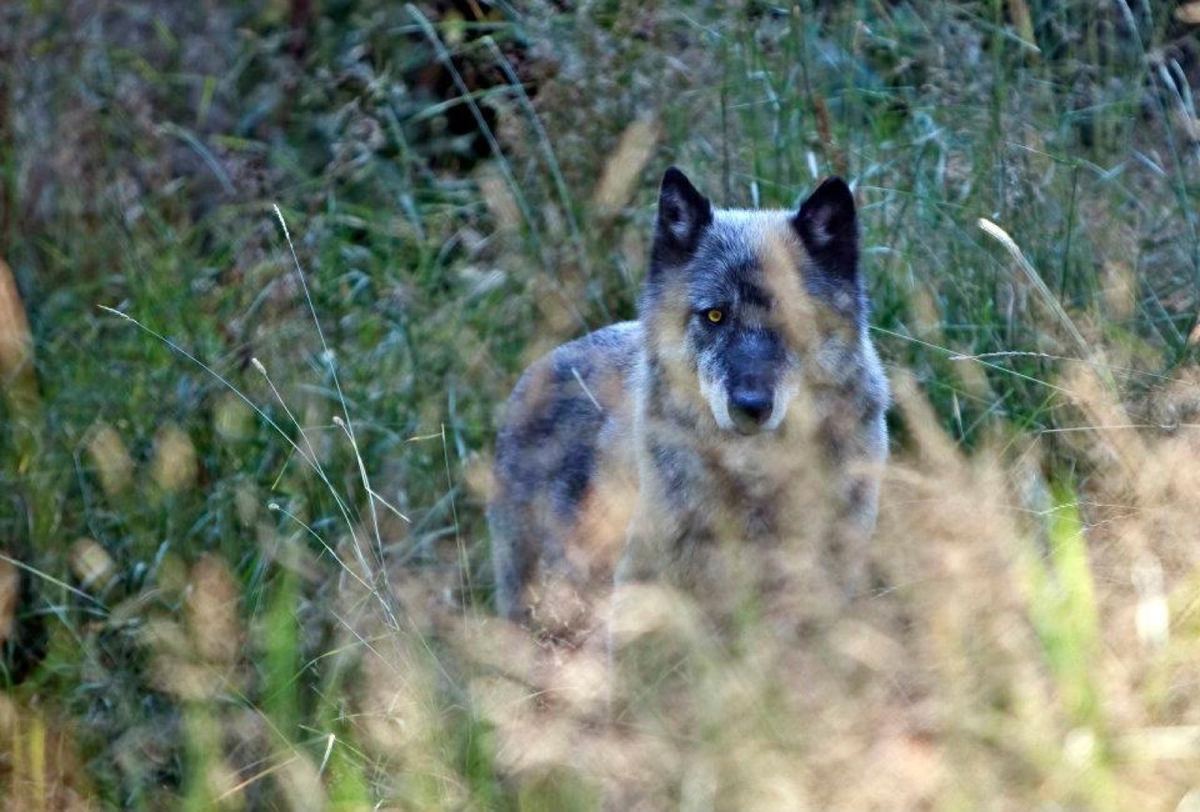
Chris Anderson remembers him during a volunteer bone-recovery day inside the twenty-acre enclosure: Himtú·u·qin stepped out of the brush, stopped, looked straight at him with no sign of alarm, then trotted away. 'Just acknowledgment, and then distance.'
A life in moments
 Le·qéy·le·qey
Gentle Water
A pure white wolf who walked in the stream until her paws wore 'mud boots'.
d. 2013
“She frequently walks along the intermittent stream and in the puddles of her enclosure, often causing mud “boots” to be worn on her white paws.”
Le·qéy·le·qey was pure white like her sister, but without the red on her back. Among the wolves she was gentle; with people she was alert at first, then relaxed once she had sized up the handlers or visitors.
Her favorite places were the intermittent stream and the puddles of her enclosure, which regularly left her white paws in muddy 'boots'.
A life in moments
 Xáy·xay·x
White Watcher
A white wolf with a reddish saddle, always watching the humans, from near and far.
d. 2017
“Thank you for the outpouring of support… as we heal from the sudden, tragic loss of our Xay.”
Xáy·xay·x was solid white with a diffuse light red across her back, dark brown eyes and a large build for a female. She led the Owyhee females but rarely needed to enforce it.
Her name came from her watching: whatever happened around her territory, she observed it. Over time she became more social with people and was one of the wolves visitors saw most often.
By the autumn of 2017 she and Kú·cuc were the last of the Owyhee Pack, about twelve or thirteen years old, and Wolf Camp had to move to a new site on the other side of Winchester. Moving old wolves under anesthesia is dangerous, and the team from Washington State University's Veterinary Teaching Hospital tried gentler oral sedatives first. They did not work, so on November 11 Xáy·xay·x was darted and carried to her new home.
She stayed stable for hours. Then, as she began to wake, bleeding in one lung made breathing impossible, and despite almost an hour of resuscitation she died at 10 PM. She never regained consciousness and felt no pain. Jeremy wrote of “the sudden, tragic loss of our Xay”.
A life in moments
 Miyó·o·xat
Wise Giant
A tall, unhurried gray wolf who wandered alone, slept in the sun, and quietly followed the handlers.
d. 2014
“He makes slow, deliberate and confident movements, and is often seen sleeping in the sun.”
Miyó·o·xat was light gray with a mostly white face, without the classic bandit mask, and with very long legs and body: the largest of the Owyhee wolves.
He was independent and often wandered his territory alone, moving slowly and confidently. He liked sleeping in the sun, and he regularly followed or tracked the handlers and visitors along the fence.
A life in moments
Two of the names carry more than one reading. Kú·cuc is given as both “Little Gray Girl” and “Owl”; Himtú·u·qin as both “Bearded One” and “Thunder”. Both are shown here.
The place
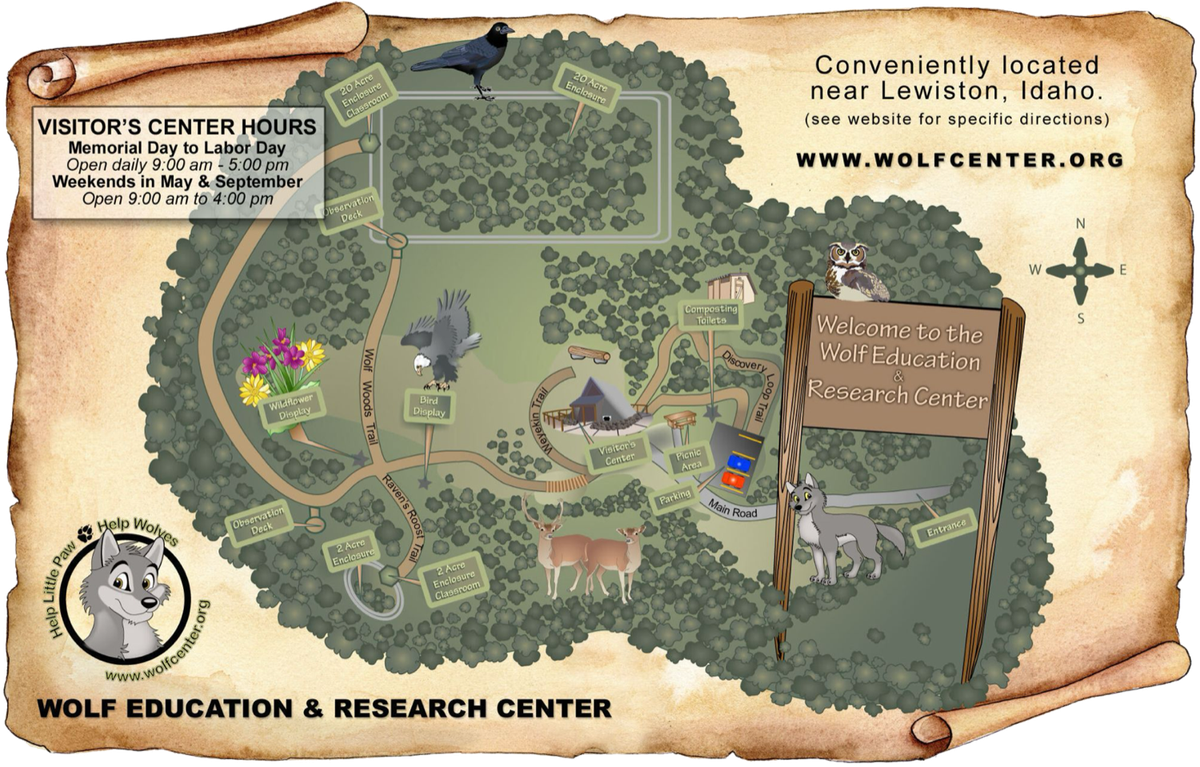
The sanctuary is gone: between 2015 and 2017 the Center took down the buildings, the boardwalks, the utilities and miles of fencing, down to the barriers buried against digging. The map is the only way left to walk it.

Leased from the Nez Perce Tribe, and returned to them in 2017.
Three of them, inside double eight-foot fences with a barrier buried against digging.
Over the years the site was both sanctuary and classroom.
The A-Frame Visitor’s Center, built like a traditional longhouse.
Six places on that map, and what happened at each.
Classes met inside, under a loft full of skulls and bones. Visitors watched the meadow from its deck. It is the only thing still standing.
A raised walk out across the meadow. Sometimes Motomo or Piyip came to the fence to sniff, or lick, a flattened hand.
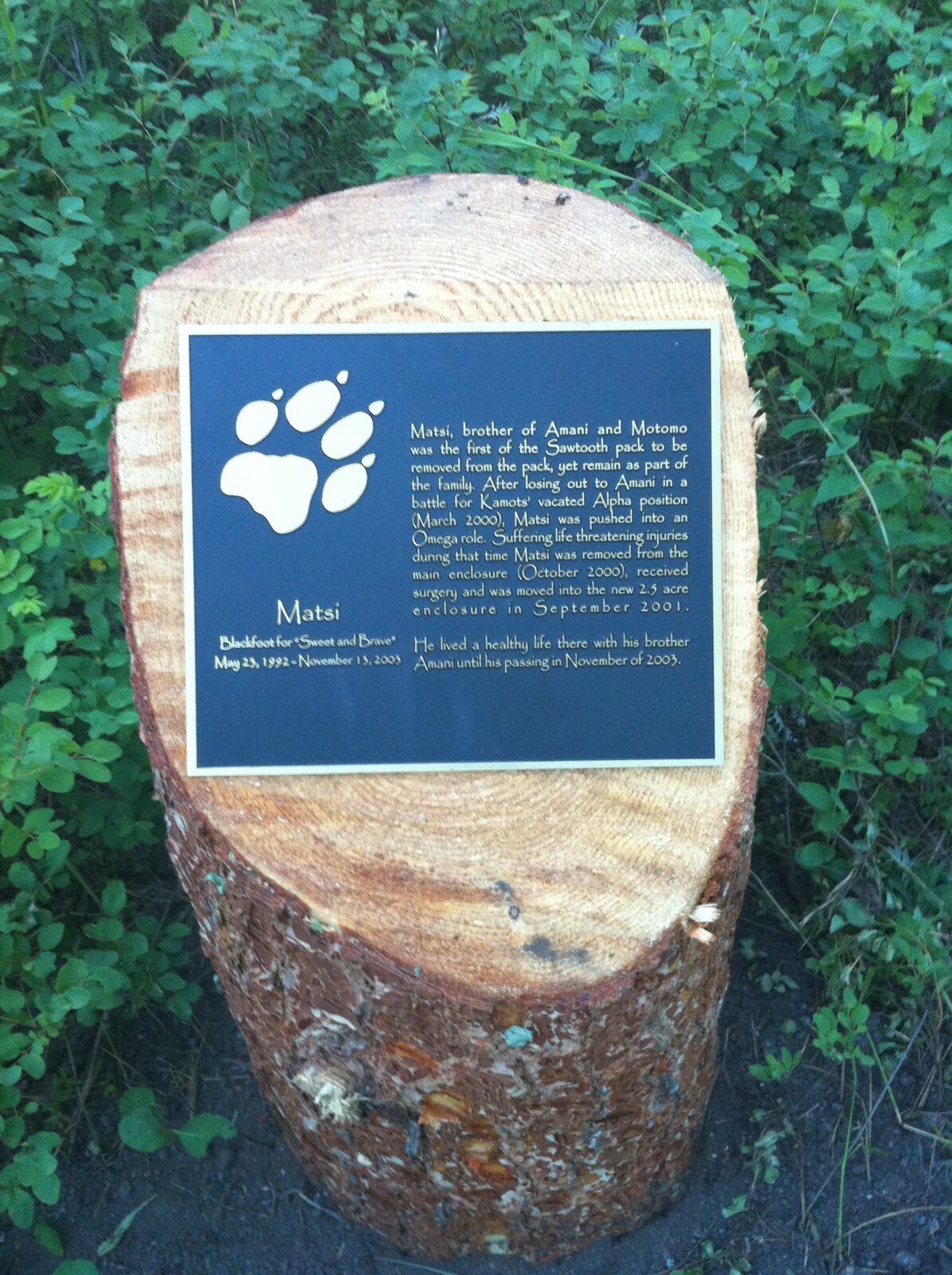
Every Sawtooth wolf has a plaque here with its name, what the name means, and its birth and death. Matsi was the first.
Where the welcome sign stood. Children came up this trail for thirty years.
Big enough that the wolves were visible only when they chose to be, which was the point.
North central Idaho, on land held by the Nez Perce Tribe. One trail was named after Weyekin.
The land belongs to the Nez Perce Tribe. The Center held it on a fifteen-year lease, and when the lease ended it chose to clear the site rather than renew.
The people
The Center has always been small. These are the people who cared for the packs, and the ones who teach their story now.

President, since 2005
Came to the Center from project development and public relations, and runs Owl Brand Discovery Kits, the science education company he started in 1996. Executive producer of The Great Wolf Divide and The Great Predator Debate, and the person behind the Sawtooth Legacy Journal.

Wolf biologist, Wolf Camp 1997 to 2023
Arrived as an intern in December 1997 and took over the care of the wolves the following September. He was the closest bonded human to both the Sawtooth and the Owyhee packs, and now consults on the ethical care of captive animals and teaches emergency medicine at Lewis Clark State College.
Fire chief and advanced EMT for his community for 18 years.
Wildlife filmmaker
Came to wildlife filmmaking from aviation and business. His first film, Gray Area: Wolves of the Southwest, has screened internationally; he now makes short films for the Center and the series Filming the Wild, on what the work actually looks like from behind the camera.

Naturalist, illustrator and educator
Born and raised in Costa Rica, trained in biology and natural sciences, and a scientific illustrator, cartoonist and animator alongside it. He has taught for the Organization for Tropical Studies, Wolf Haven International and National Geographic Student Expeditions, and teaches for the Center in English and Spanish.
The Center last set out its board in 2017, the year the land went back. It is kept here as a record of who carried the work, not as today’s list.
Twenty-seven years in small business and nonprofit development, including a science education company serving more than 40,000 teachers since 1996.
Led the 2008 Owyhee rescue. Lived beside the enclosure in a cabin without electricity, plumbing or phone.
A marketing strategist and board member for more than a decade, and an author and speaker. Her love of wolves began with Jack London.
Pilot turned wildlife filmmaker, making short films for the Center and for Kidwings Explores.
More than thirty years in charitable gift planning. Her most memorable night with the Center was New Year’s Eve 2000, when the whole Sawtooth Pack howled at midnight.
Biologist, geologist and naturalist turned performer-educator, who took characters like Wolfman and Doc Wild to more than two million people in 49 states.
Jeremy Heft lived at Wolf Camp for twenty-six years. He arrived as an intern in 1997 and stayed until 2023, which is most of the Center’s history in one person.
Voices of the pack
Memories from Wolf Camp, stories from the field, letters from teachers, questions from children. Every one is read by a person before it goes up.
Letter of the month · From the classroom
I teach Grade 5 in the east end of Toronto. Twenty-six kids, mostly from immigrant families, the kind of room where attention has to be earned and not assumed.
EleanorToronto, Canada
Coexistence story
We run sheep on the east side of Wallowa County. We have lost five lambs to wolves over four years. I am writing because I do not see myself in the way this gets argued about.
LindaWallowa County, Oregon
Field encounter
I worked seasonal park service jobs around Yellowstone from 2010 to 2014. The summer of 2013 I was running a campground on the north entrance.
DanielCody, Wyoming
Memory of a pack
I visited Wolf Camp with my daughter in the summer of 2005. She was twelve, and she had been reading Jamie Dutcher’s books for a year.
SarahBoise, Idaho
Across continents
We do not have wolves here. We have spectacled bears, andean foxes, jaguars further down. But the conversation you are having about wolves is the one we are having too.
JoaquínBogotá, Colombia
Why I support
I have been a monthly donor since 2019. Twenty dollars. It is not much. I started because the Center publishes the only writing about wolves I can read without feeling managed.
MarcusSeattle, Washington
What gets published. A first name and a city, nothing more. No addresses, no surnames, and nothing the writer asked to keep private.